
Engagement Strategy 2024-28 (HTML version)
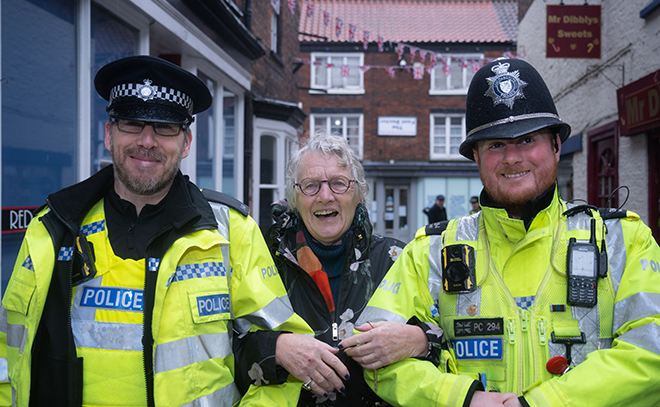
Why we engage
The Chief Constable for Lincolnshire Police’s strategy sets out an overarching objective to keeping Lincolnshire safe.
To achieve this, the Force will focus on three priority areas
- Stopping crime and anti-social behaviour
- Protecting from harm
- Helping those in need
The Force engagement strategy aims to empower and involve communities, with the ultimate aim being to support and realise the Chief Constable’s strategy.
Engagement with our communities has never been more important than it is now. We live in an age where information is plentiful, the ability and expectation to have a two-way conversation through means other than just face-to-face is routine, and collective public consciousness is more inclusive of others than ever before. People are entering conversations on subjects that are important to them personally but also on the behalf of others.
For a police force, harnessing the power of this desire to engage and be heard, and providing people with a platform to do so is central to good policing. It helps us focus on the needs of the public we serve and enables individuals to be part of the way in which we police the areas where they live and work. All of this strengthens and supports the guiding principle of policing by consent.
The police are the public and the public are the police.
Our engagement strategy is simple: it aims to empower communities, ask and be asked questions, and provide answers and results through direct actions that reduce and prevent harm. We want our communities to know we are listening: You said, we did.
Our force engagement differs from our approach to force communication. The objectives of the latter are to mainly provide a live-time response, often reactive, to warn and inform the public, protect the public and keep them safe from harm, support operational policing, and inspire trust and confidence in the Service. Pre-planned and proactive work supports operational policing and allows the public insight into what the force is doing.
Engagement, however, delivers a different benefit by the establishment of a meaningful relationship with our communities where dialogue and feedback is encouraged. It is in this realm where we can better understand our communities and they us. Through talking to the people who live and work in this county, by asking them what they need and want, by showing them how their information helps shape their police service, and by telling them about the positive outcomes we have achieved, we hope to establish or further improve a relationship with the people we serve that shows we are listening, responding, and, ultimately, can be held accountable.

Our engagement vision
- We use a range of techniques to best connect with our communities.
- We understand what makes our communities unique and strive to ensure we are in the virtual and physical spaces where they need us.
- We work co-operatively with a variety of partners to engage with communities.
- We encourage and enable people to be part of policing conversations and work with us to help shape our response, influence policy, service design and delivery.
- We ensure our diverse and under-represented communities have a voice and are represented in conversations.
- We show participants the impact of their contribution.
- We create and deliver innovative and effective engagement activities for obtaining the views of communities and victims.
- We ensure the varied ways of talking to us are promoted.
- We evaluate and share lessons to improve future engagement.
- We see engagement as a golden thread which is owned by all and make sure the demonstrable benefit is evidenced.
- We tell our communities what to expect from us, and why, in a timely way that allows reflection and feedback.
Engagement should and does impact on everything we do.
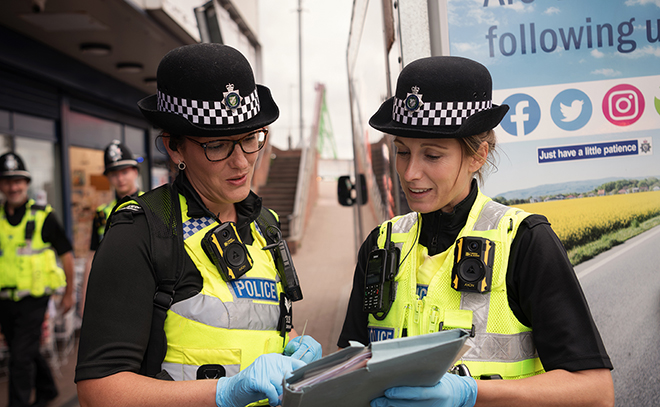
Our strategy
Communities are increasingly based on characteristics and shared ideologies rather than shared geographical space, meaning we have to utilise modern ways of engaging with certain groups that are not based around traditional face-to-face methods. The Chief Constable has laid out the following four strategic areas that work towards the force’s ambition to create an outstanding local police service, that is passionate about serving the public, caring for its people, and constantly improving how it protects our communities; working in partnership to secure a safe and resilient Lincolnshire.
- Stop crime and ASB
- Protect from harm
- Help those in need
Communities
Building confidence in policing
- Deliver a ‘Public Pledge’ to clarify what services the public can expect
- Build safer communities through neighbourhood policing, problem solving causes of crime and anti-social behaviour; working in partnership to improve outcomes
- Communicate with the public about policing activity; and use citizen insight to shape our services and understand impact and outcome
- Expand the use of policing volunteers to maximise their contribution to policing and our connection with communities
Quality of service
Delivering a thoughtful and effective service
- Care for victims, assess their individual needs and keep them regularly updated
- Answer calls for service politely and promptly, respond according to risk, within published timescales, keeping callers informed
- Allocate crime enquiries efficiently, and to the correct resource to deal with them
- Improve our investigation capacity and quality to reach the right outcome in a timely manner including the use of Out of Court Disposals
- Prevent crime; effectively manage persistent and high-risk offenders and protect repeat and vulnerable victims
Resources
Delivering sustainable, productive and efficient policing
- Ensure a clear financial plan and deliver value for money; measuring the benefits of investment
- Equip our officers staff and volunteers with the right tools and equipment
- Make best use of technology to maximise the capacity and capability of all our services
- Undertake a consistent and effective approach to change management that aligns to operational priorities and puts people at the heart of delivery
- Ensure all staff play a part in innovation and improving productivity, making our working practices more efficient and effective
People
Develop an inspirational culture and rapidly improving organisation
- Embed leadership principles of genuine support, clarity of direction and high expectation
- Ensure a positive and inclusive culture; people feel valued and trusted
- Provide clear expectations of professional standards, ethical practice and performance delivery; hold each other to account
- Focus on the recognition, development, training and wellbeing of our people; to enhance performance
Our strategic objectives
The EPIC model
Empower
We will enable the public to play a part in making communities safer. We will ensure that we show them how their participation has directly influenced policing activity, events or decision-making.
We will show how the involvement of people in our communities has prevented and detected crime and antisocial behaviour, and prevented re-offending.
Participate
Our communities are vital in shaping policing. We will use the information they provide us to deliver activity that has a positive effect on their lives. We will give them the opportunity to hold us accountable and ask questions about why we have acted in a particular way. We want them to be assured that all we do is based on the needs and wants of our communities. Through this, we hope to increase community confidence and trust in the police service which, in turn, encourages respect for the law and fosters social responsibility, making people more likely to help the police and not break the law.
Inform
We will ensure that our communities understand our values, our priorities, the service we provide, the reasons why we have made certain decisions, and the areas of success in reducing and preventing harm. We will pay particular focus to targeting hard-to-reach groups. We will inform the community of local issues, trends and achievements and ensure effective communications in response to critical incidents.
Consult
We will ask questions of our communities and listen to them through meaningful conversation. They will be given the opportunity to tell us what is important to them and explain why. We want to ensure they have trust and confidence in us as a police service that can keep them safe from harm. Through this, we will identify public priorities and identify vulnerable members of our community; we will also gather intelligence and feedback from the community.
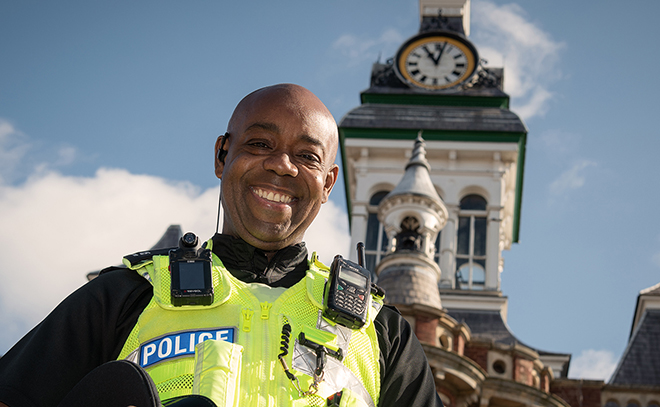
Our values
Courage
Moral courage means speaking up, doing the right thing, admitting mistakes and being accountable. Ethical courage could show in decision making or team leadership and standing up as a role model for our colleagues. This goes far beyond physical bravery but that, too, is of course part of the role of policing in order to keep people safe.
Respect and empathy
Is paramount to building trust, protecting dignity, and creating safer, more connected communities. It is essential to building a workplace where people feel free to be themselves and where we respect each other. Critically, it is also about ensuring we are ethical and honest in our roles, acting as role models for Lincolnshire Police.
Public service
Serving with integrity, humility, and commitment to our communities – not just enforcing the law. Public service is about building trust, protecting rights, looking after the vulnerable and making people feel safe and respected. It means acting in the public’s interest, being visible and approachable, listening to concerns, treating people with dignity, being transparent and trustworthy, and doing the right thing.
Topics of engagement
Delivery plans for specific areas of engagement will sit under this strategy but there are clear and definable areas by which we will deliver positive and effective engagement in Lincolnshire.
Broadly, our engagement activities can be categorised into themes. This allows us to prioritise the work and decide who is best to engage with our communities and how.
Local
These are the issues that our local teams respond to and which affect the lives of the people in our varied communities. For example, a recent burglary series might have taken place in a village, or an area of a city might have experienced issues with drug selling and dealing. This local work also considers our presence in neighbourhoods, whether that is physically in the form of police buildings or digitally via our online presence.
County-wide
Ongoing pieces of work which are priority areas for the force that benefit both our own workforce and, therefore, the communities we serve. This considers the Force operational priorities and those set out in the Police and Crime Commissioner’s Police and Crime Plan. Examples include violent crime, domestic abuse, road safety, and campaigns.
National
Policing is connected, both nationally and internationally. We may not experience the exact same crime types as a force further afield but it is likely that at least one other police force will have experienced something similar. Understanding policing issues that aren’t just local or how the decisions or recommendations of central bodies affect policing locally is imperative to ensure we are communicating with our communities and talking to them about the local effect. Issues such as police funding, drug-related crime, assaults on emergency services workers, Violence Against Women and Girls (VAWG) – these are all types of areas on which we would be eager to engage with our communities.
Who we will engage with
There are the broad groups that we, as a force, should aim to engage with. They are:
Officers, staff and volunteers
We will work closely with our officers, staff, and volunteers, supporting them in engaging with their audiences to make sure engagement is a golden thread owned by all and that standards are consistent across the force.
Community voluntary groups
Our engagement with community volunteers will include groups such as youth forums, Independent Advisory Groups (IAGs) and other voluntary groups who help provide vital support, local scrutiny,
Communities
Our engagement activity will focus on members of the public within our local communities, and will be broken down into specific target demographic groups.
Partners and stakeholders
Groups and individuals external to policing can support a whole-system approach to community issues.
These range from local MPs and councillors, residents’ associations, parish councils, community groups and local businesses through to multi-agency groups such as Community Safety Partnerships. In addition, we will engage with local MPs and Local Councillors.
The media and citizen journalists
The current media landscape far wider than traditional local, regional and national organisations, through to social media influencers, commentators and citizen journalists. They all play a crucial role in amplifying our messaging and creating a narrative around policing.
Scrutiny, accountability and oversight
There are several groups that Lincolnshire Police works with to provide reassurance to communities around our standards and performance. These include local bodies such as the Police and Crime Panel to national organisations including the College of Policing, Home Office, His Majesty’s Inspectorate of Constabulary, Fire and Rescue Services (HMICFRS), Independent Office for Police Conduct (IOPC) and the National Police Chiefs’ Council (NPCC).
All of these considerations allow us to further develop our thinking around engagement and the tools at our disposal
with which we can engage.
Victims and survivors
We are committed to ensuring that victims and survivors are meaningfully engaged as a distinct and valued group.
Their voices are essential in shaping our work, and we will continue to listen.
We will approach this engagement with care, respect, and sensitivity, recognising the importance of trust, confidentiality, and support throughout.
How we will engage
A detailed delivery plan will underpin this strategy in order to ensure our strategic objectives are met. There are a number of channels, activities and methods we can use in order to effectively and positively engage with our communities.
There is a corporate commitment from the Chief Constable and Senior Leadership Teams (SLTs) of Lincolnshire Police to commit the necessary time, resources, support, and training to enable staff and officers to:
- Understand the priorities, expectations, and benefits of Lincolnshire Police’s engagement strategy to help understand communities and become a victim-focussed responsive service
- Involve and empower communities to work with Lincolnshire Police to proactively develop engagement, prevention, and problem-solving initiative and bespoke activities.
- Develop an evidence-based approach that informs and shapes activity, regularly feeding back to communities.
There include, but are not limited to, the following:
- Digital: We have a number of existing digital accounts on social media that belong to individuals or groups. We will evaluate new and emerging technologies and implement them, where appropriate, in order to engage with our communities and ensure any change is communicated.
- Personal: The importance of face-to-face engagement can never be underestimated. We will continue to ensure we provide physical engagement opportunities where needed.
- Targeted: Ensuring relevant voices concentrate on hyper-local issues so our engagement is meaningful.
- Young people: We will make sure that the young people in our communities understand how policing can work for them and are involved activities.
- Neighbourhood Policing: We will use the local policing plans to underpin our local understanding of our diverse groups and communities and, where needed, help local teams with various types of engagement activity.
- OPCC engagement work: We will ensure close and regular working with the OPCC, especially around their survey work, community panels and with Community Co-ordinators.
- Partnership work: Working with partners in local agencies, organisations and businesses to ensure that we have a joined-up approach with others across the county.
- Equality, Diversity, Inclusion: We will ensure that all of our work considers the variety and diversity of individuals and groups in our communities and include them in influencing decision making and policing activity in their neighbourhoods.
- Stakeholders: We will identify and engage with stakeholders both inside the force and outside who will help us achieve our strategic objectives.
Evaluation
Evaluation is a valuable tool which will allow us to learn from our engagement experiences and help inform our future approach. However, where engagement is aimed at long-term change, for example, evaluation must be constantly carried out
through regular monitoring.
There are two main thematic ways in which we can approach evaluation:
- Quantitative: this relates to the number of people we engage with and what impact our activities had on them.
- Qualitative: this is about providing narrative and descriptive data, this can be useful for understanding the
why around any particular effective or ineffective activities. We will ensure that measures are in place both corporately and with local teams to help evaluate and measure the success of our
engagement work. Some of the ways in which we can do this include:- Liaison with NHP Teams as part of their quarterly review
- Focus groups, consultation and surveys
- Digital analytics
- Direct contact with the public, both corporately and operationally
- Media coverage
- Reports to the police and ‘formal’ contact
- Liaison with local teams regarding public sentiment and behaviour towards police
Governance
This strategy will be owned by the Head of Corporate Communications and driven forward by the Corporate
Communications team. Governance arrangements will be via force strategic boards.
Author: Lucy Bogustawski, Head of Corporate Communications
Published: September 2025