Targeted organised immigration crime enforcements
Main article content
Arrests were made for immigration offences as part of targeted activity against organised crime.
Organised immigration crime (OIC) is a national priority, driven by organised criminal networks that exploit vulnerable people, facilitating illegal entry into and out of the UK and can extend to the creation of fraudulent identity documents.
We work behind the scenes on a daily basis with multiple law enforcement agencies to disrupt and dismantle criminal networks profiting from organised crime, safeguarding individuals, communities and our borders and communities, bringing offenders to justice.
Transport networks provide opportunities for criminal groups to move people, assets, and contraband. Information gathered from our road networks provide a more complete picture of the OIC activity and networks operating across local, regional, national, and international boundaries.
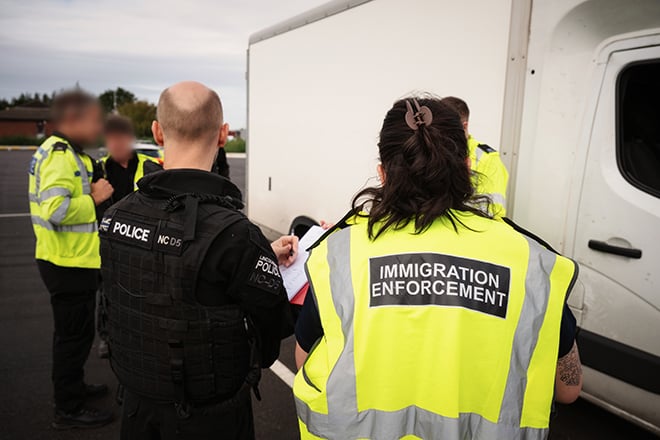
We’re sharing some insights about two days of targeted enforcement activity carried out on Monday 21 and Monday 28 September in Grantham which contribute toward the UK’s overall operational response to OIC.
The results
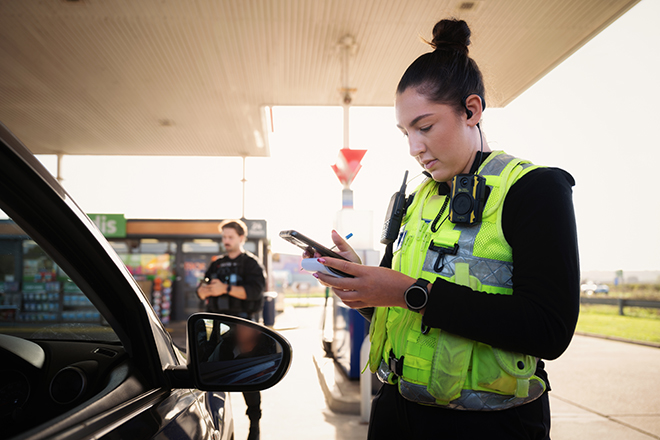
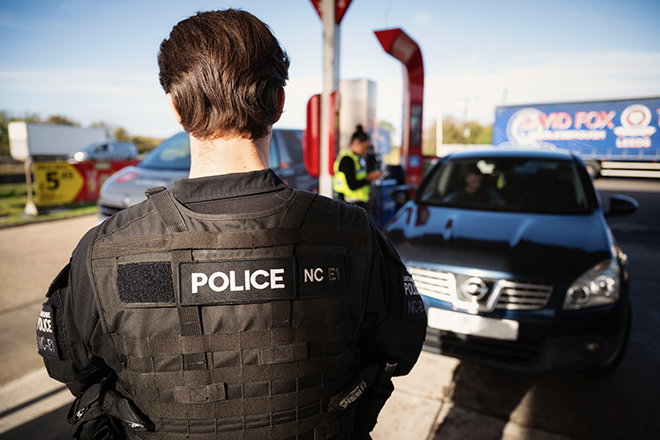
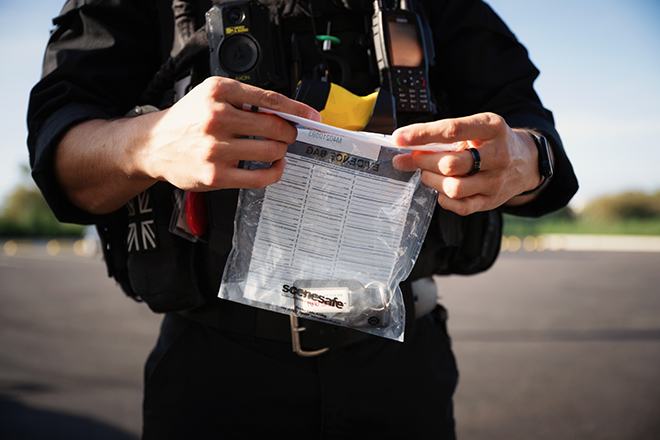
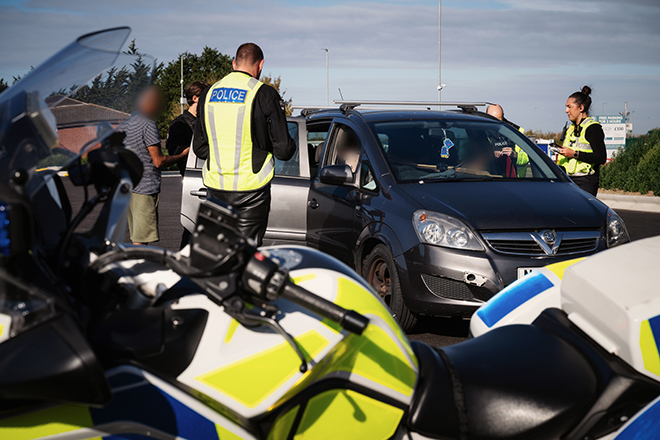
On Monday 21 September, officers from our Roads Policing and Armed Response Vehicle Units carried out 43 stops, providing impressive results including:
3 x Immigration arrests (one currently being removed from the UK, the other two were interviewed and bailed at the scene)
1 x Summons (driving otherwise than in accordance with a licence, no insurance, no seatbelt, dangerous condition of vehicle)
3 x Serious Organised Crime and Police Act (SOCAP) seizures for not having insurance and/or licence
2 x PG9 vehicle prohibitions for dangerous defects such as dangerously worn tyres, defective brakes, serious steering defects
1 x Driving Vehicle Standards Agency (DVSA) prohibition actions for a tax contravention
8 x Traffic offence reports (overweight, no MOT, no insurance, no licence, illegal tints, dangerous load, tyre defects)
4x Graduated fixed penalty notice (no tacho card, overweight load)
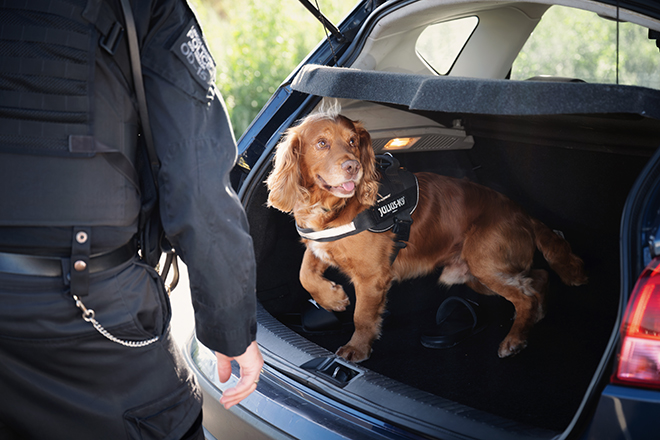
1x Dog-assisted Section 23 Misuse of Drugs Act vehicle search)
On Monday 28 September, officers carried out a further 21 stops which resulted in:
2 x Immigration arrests (interviewed and bailed at scene)
4 x DVSA prohibition (overweight or mechanical defects)
2 x SOCAP seizures
2 x Summons to court (no insurance and multiple vehicle defects; 10% overweight and two bald tyres)
2 x Traffic offence reports (insecure load, no MOT)
Detective Inspector Paul Sands from our Intelligence Bureau, said:
We are grateful to all partners who helped enable this enforcement. To many people, a vehicle stop may seem like a routine traffic matter, but these encounters can provide vital intelligence in the fight against organised immigration crime. Criminal networks rely on the road network to move people, money, resources and contraband, often across force and international boundaries, and every stop presents an opportunity to identify indicators of criminality, gather intelligence and develop a clearer picture of how these networks operate.
Working alongside partner agencies, officers use information obtained through these proactive checks to connect individuals, vehicles and locations that may otherwise appear unrelated. What may seem like a straightforward enforcement stop can contribute to a much larger investigation, helping us disrupt organised criminal groups, safeguard vulnerable people who may be being exploited, and ultimately bring those responsible before the courts.
These enforcement efforts demonstrate how denial of our road network, with collaborative enforcement activity on our roads, plays an important role in the wider national push to tackle organised immigration crime and protect both our communities and our borders.
Spot the signs
Some of the signs of potential OIC victims can include:
- No access to ID documents.
- Physical or psychological abuse.
- Debt bonded – paid less than minimum wage / not paid.
- Transported to and from work in vans, often in groups.
- Being picked up and dropped off to work at unusual times.
- Working very long hours.
- Poor accommodation / overcrowding.
- No formal contract of employment.
- Inadequate work equipment.
- Often accompanied / chaperoned.
- Being spoken for.
- May not know their own address.
- Poor language skills.
Report it
You can help disrupt and prevent organised immigration crime.
Reporting can help protect people and catch those responsible for OIC.
Intelligence gathering never stops. If you see something that doesn't look right, if you're worried about someone, or something that looks suspicious, report it. Every concern raised and every piece of information shared plays a vital role in turning fragmented information into a coherent intelligence picture that supports disruption and crime prevention.
If you feel you have information that might be useful to us, there are a number of ways you can get in touch:
By calling 101
By telling us about concerns via the 'Tell us about' section of our website: https://www.lincs.police.uk/tua/tell-us-about/
By speaking with us while we’re on patrols.
Or anonymously, via the Crimestoppers website: https://crimestoppers-uk.org/give-information/forms/give-information-anonymously
You can also report via the Home Office endorsed charity Stop the Traffick
Always call 999 in an emergency
All information is handled sensitively and confidentially. Together, we can continue to target organised immigration crime and protect our communities.